Faroe Islands: Good to know
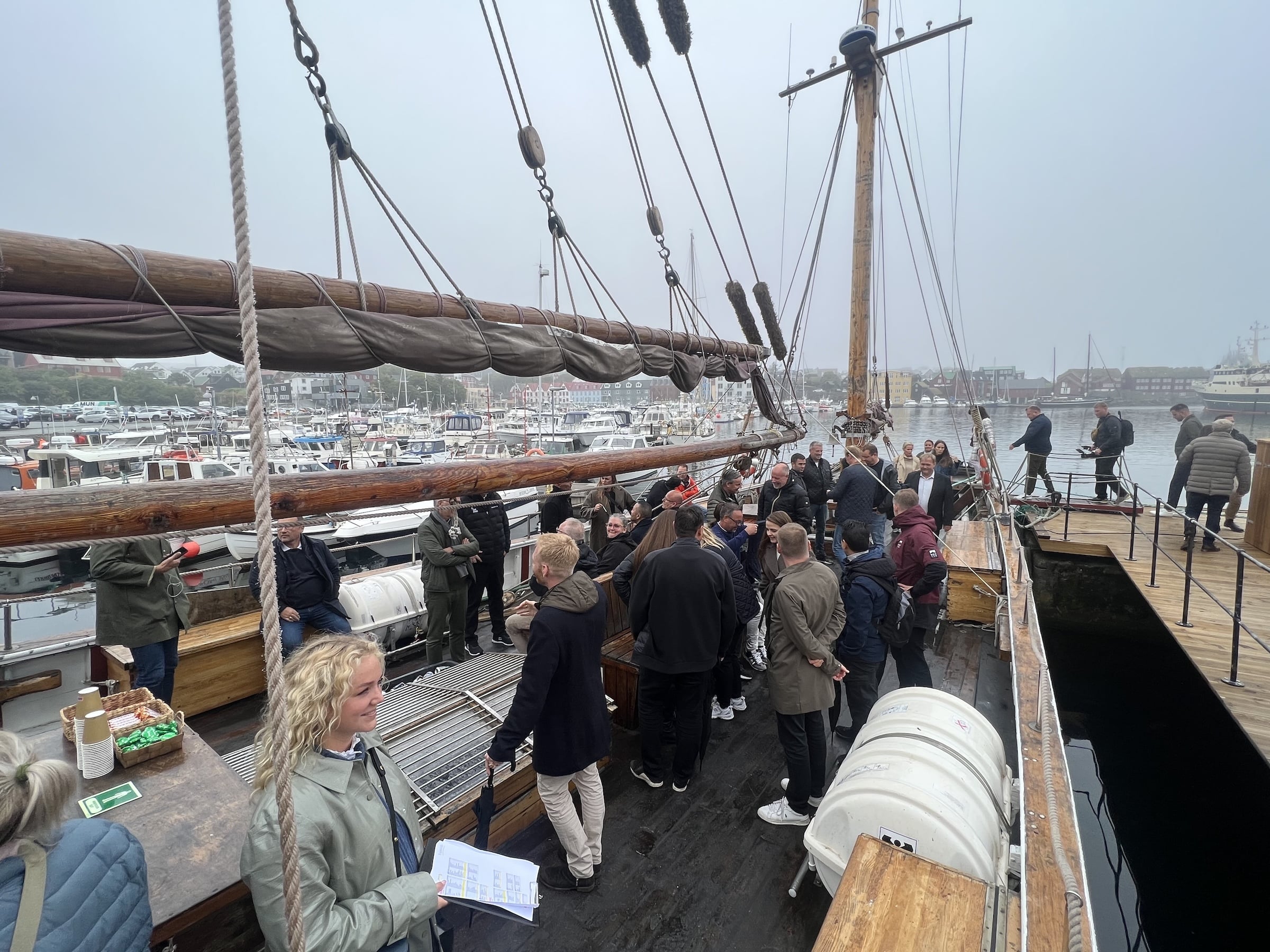
Through the centuries, the Faroese have defied the harsh nature and living conditions. Enduring today is a nation in which the living standard is one of the highest in the world. A highly industrial economy mainly based on fisheries and aquaculture continues to flourish, while a Nordic welfare model ensures everyone the opportunity to explore his or her own potential. Faroese maritime expertise is widely renowned and the Faroe Islands export seafood to all six continents.
Name: The Faroe Islands (Føroyar)
Location: In the middle of the Gulf Stream in the North Atlantic at 62º00’N and 06º47’W, halfway between Scotland and Iceland
Neighbouring countries: The closest land is North Rona, part of Scotland’s Outer Hebrides, 257km (139 nautical miles) to the south
Total land area: 1,399km2 (540 square miles)
Total marine area: 247,000km2 (105,792 square miles)
Time: GMT (winter); GMT+1 (summer)
Currency: Faroese króna (DKK)
Language: Faroese
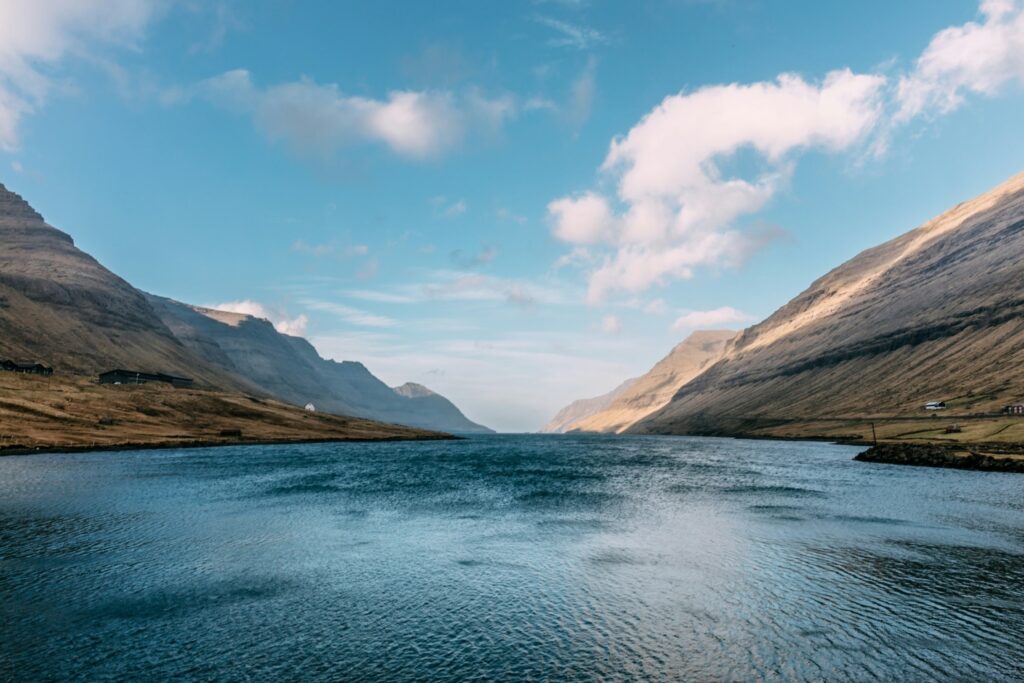
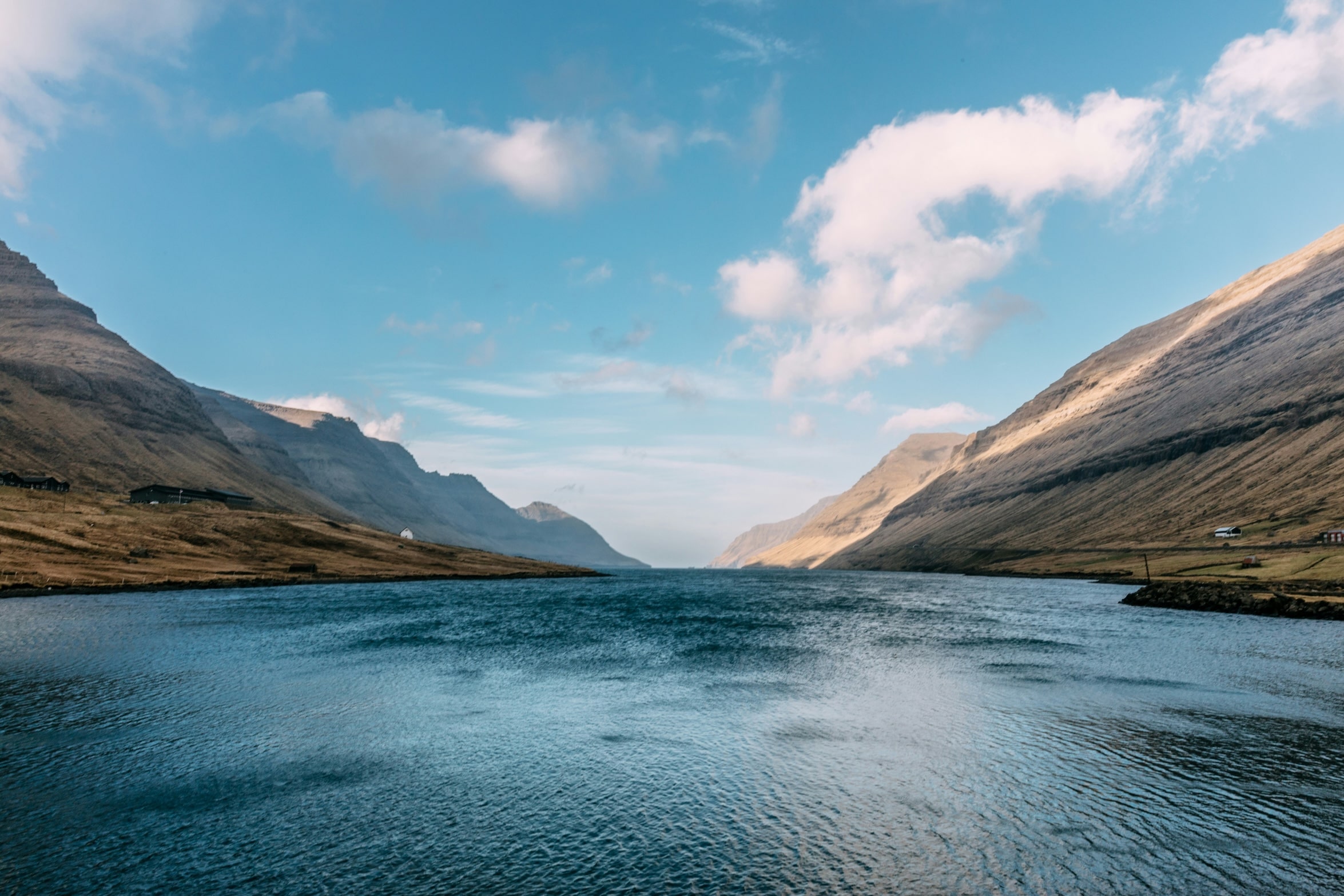
Area: Faroese archipelago, 113km (70 miles) long and 75km (47 miles) wide. The total coastline is 1,100km (687 miles). No point in the Faroe Islands is further than 5km (3 miles) from the sea
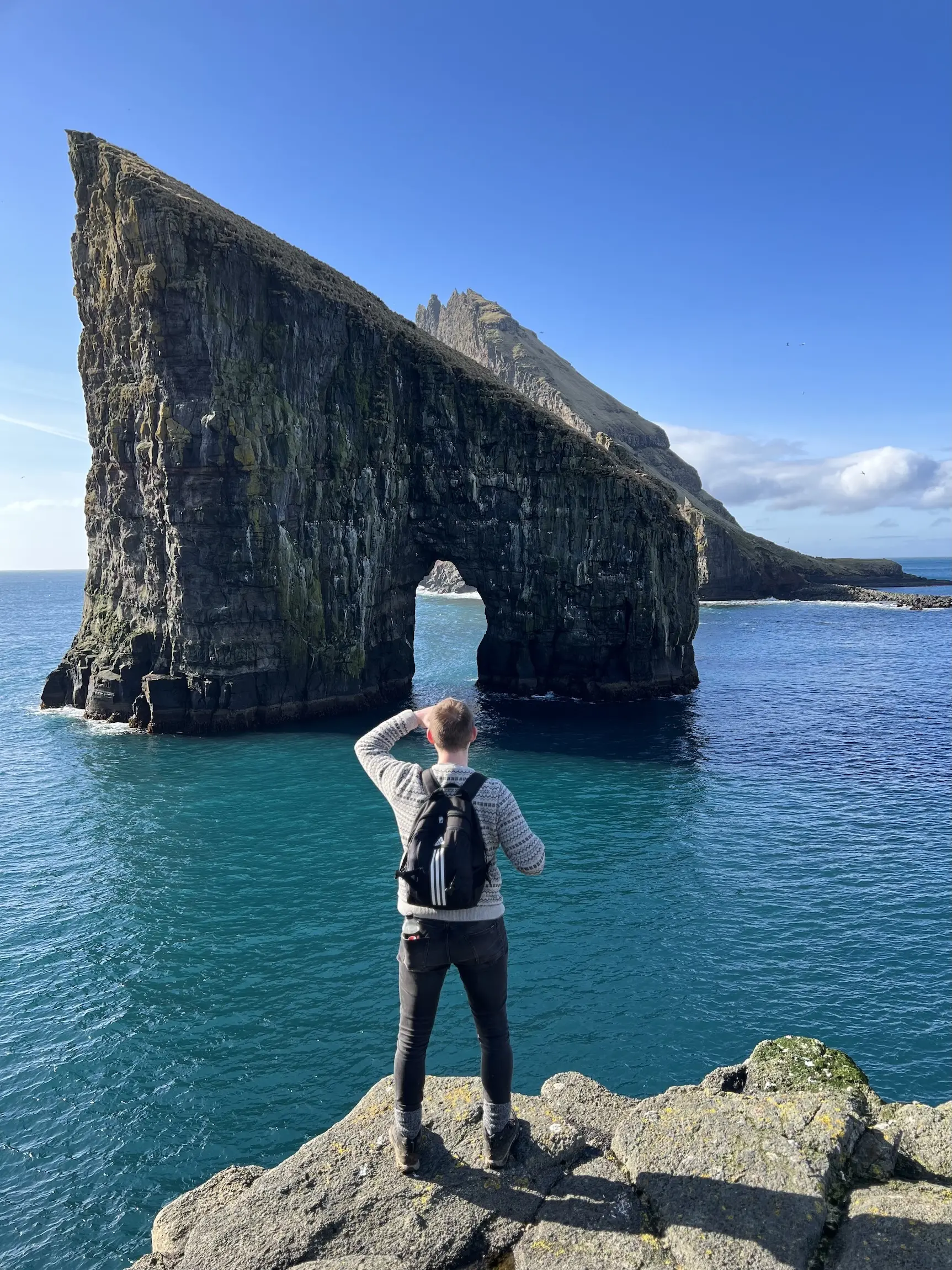
Islands: 18 volcanic islands separated by narrow sounds and fjords arranged roughly like an arrowhead. All but one are inhabited
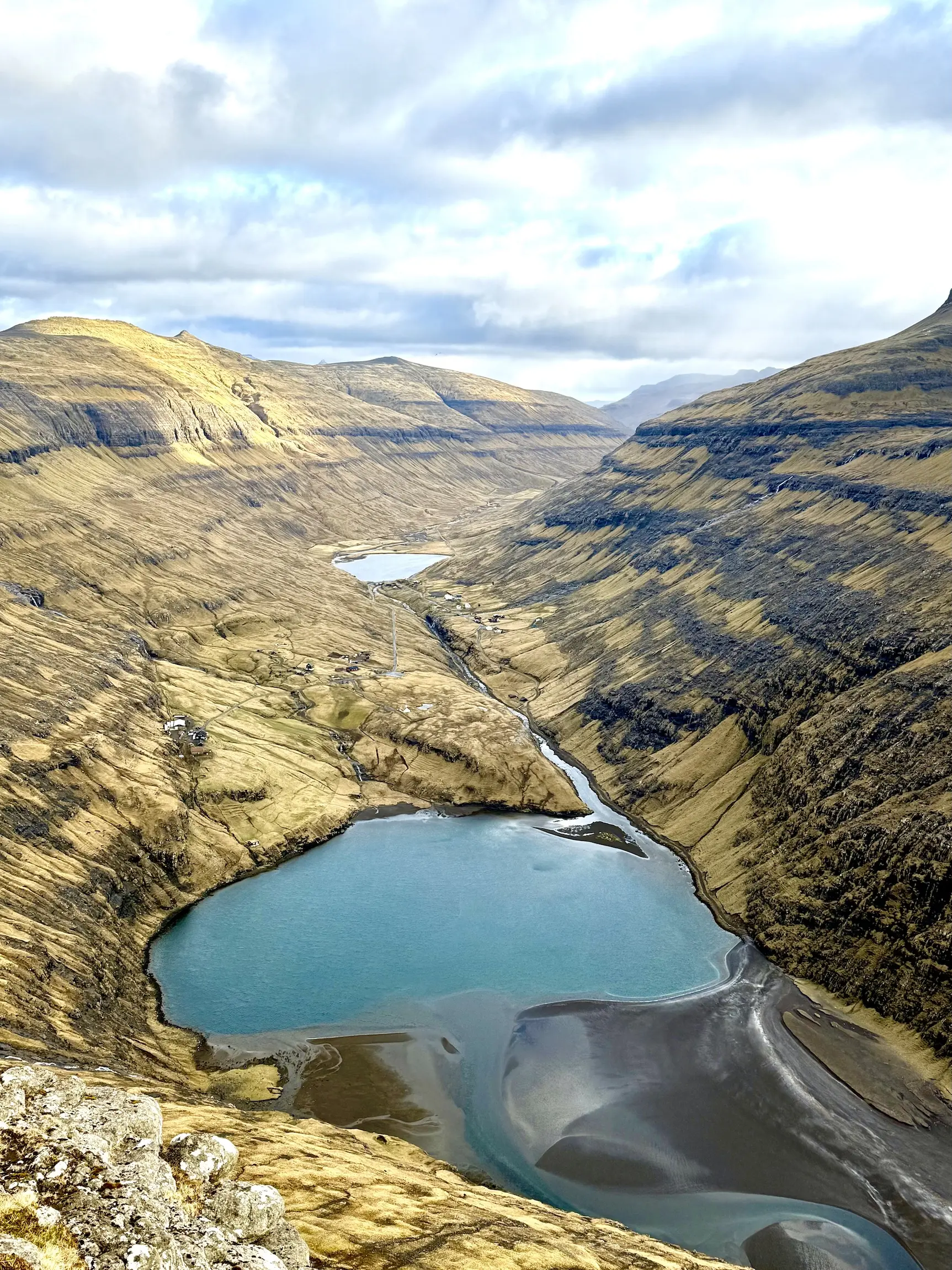
Heights: Highest peak 880m (2,887ft); average height above sea level 300m (980ft)
Climate: Average 3º-11ºC, winter-summer
Population: 54,648 (2025)
Capital: Tórshavn population 23,113
Status: Self-governing region within the Kingdom of Denmark
Language: Faroese. Danish has equal status in all official affairs
Religion: Evangelical Lutheran
Government: Parliamentary democracy
International telephone code: +298
Internet TLD: .fo
Electrical voltage: 220V; European two-pin plugs
Weights and measures: Metric
Flag: Red cross fringed with blue on white background
Public holidays: New Year’s Day 1 January, Maundy Thursday, Good Friday, Easter Sunday, Easter Monday, Flag Day 25 April, Common Prayers’ Day (May), Ascension Day, Whit Sunday, Whit Monday, Ólavsøka 28-29 July, Christmas 24-26 December, New Year’s Eve 31 December